
Ancient Egyptian Astronomy – Mapping the Gods
Egyptian Astronomy Sharing = Loving!
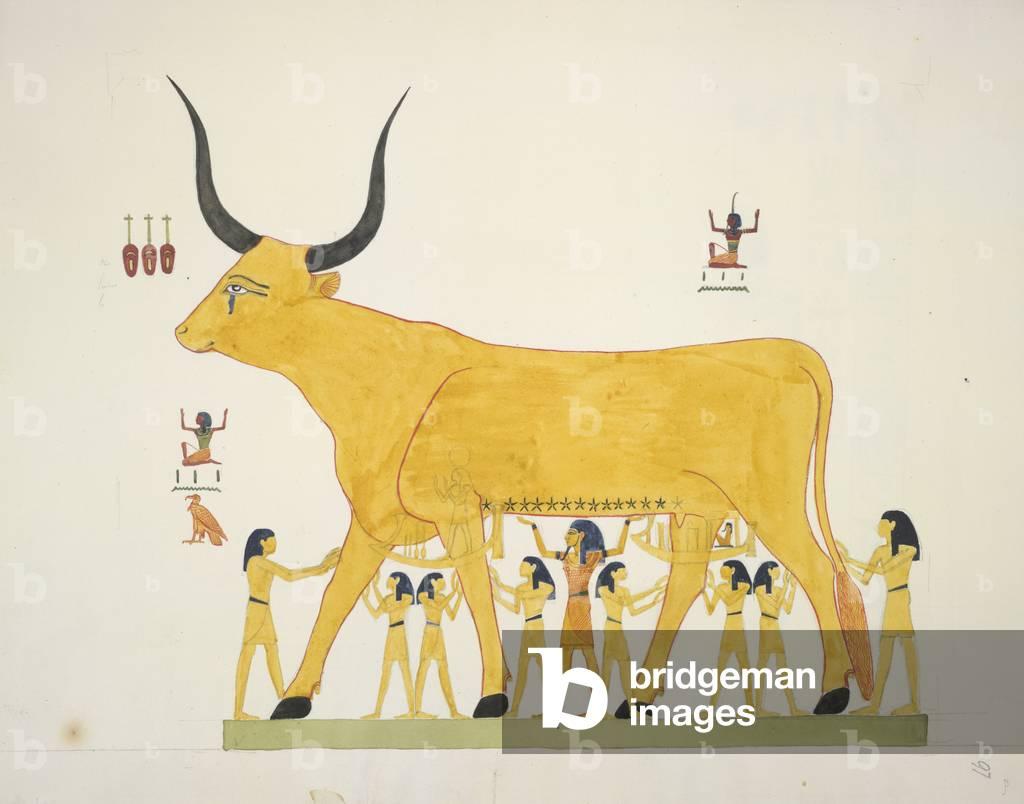
The practices and beliefs of ancient Egyptian astronomy were intrinsically linked to their love for the cosmos and their gods. This article delves deep into the astronomical prowess of ancient Egypt, showing how intertwined their stargazing was with religious devotion.
Uses of Ancient Egyptian Astronomy
The ancient Egyptians used astronomy for various purposes, from agricultural planning to religious rituals. The stars informed them when to sow and harvest, and the phases of the moon and the cycles of celestial bodies were used to predict events. Aligning temples and tombs with the stars was also common, integrating the divine into their architecture.
- Celestial navigation for agriculture
- Religious festivals and temple orientation
- Symbolic representation in myths and gods
Ancient Egyptian Goddess Maat
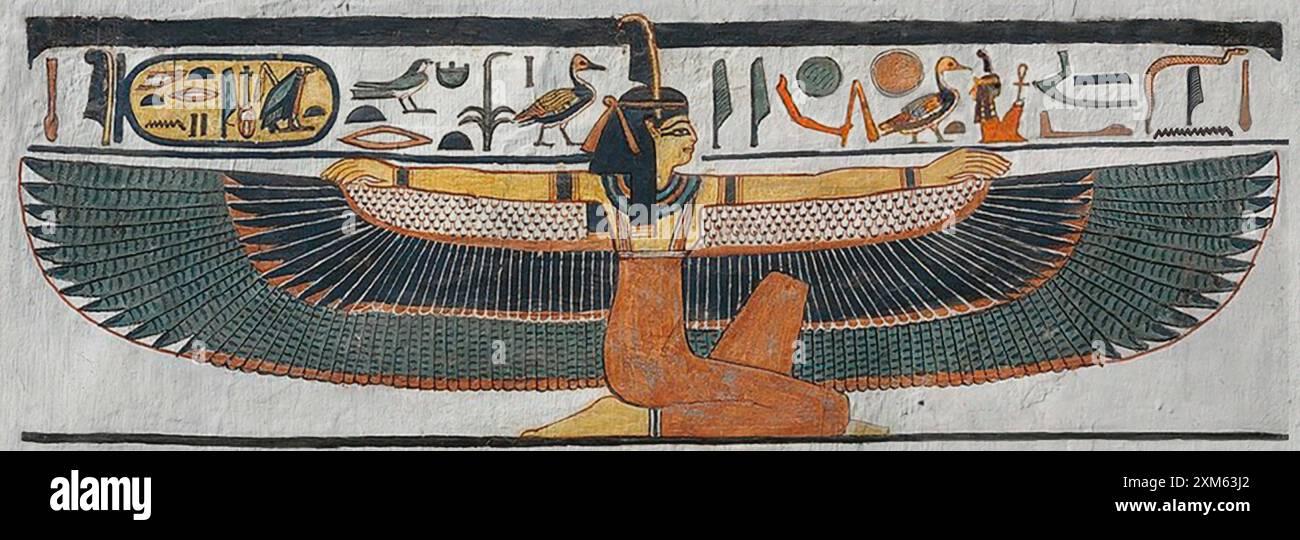
The ancient Egyptian goddess Maat represents the underlying order of the universe, she is synonymous with balance, truth, and justice. Unlike other deities, Maat was not personified through an animal or human form but was often depicted carrying or wearing the Feather of Truth.
Maat's Role in the Universe
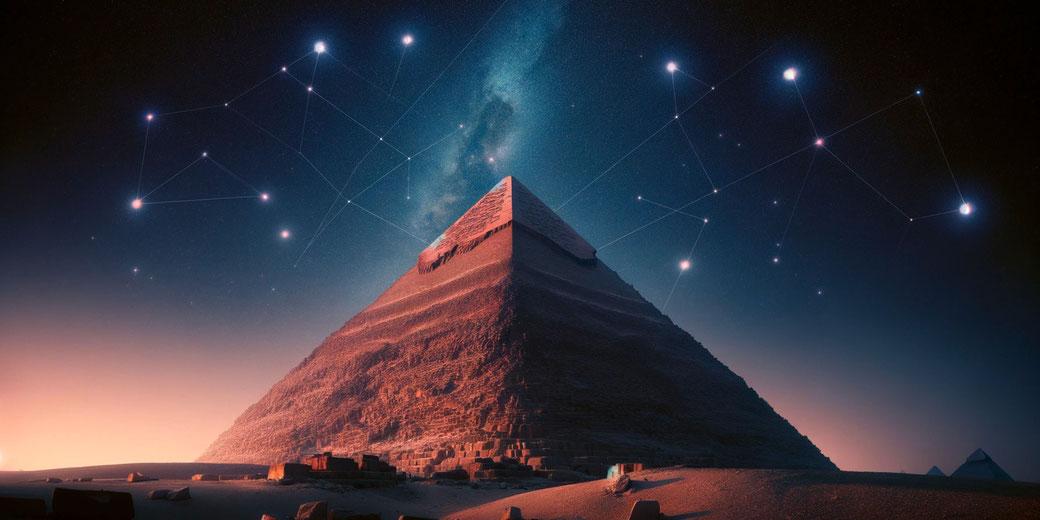
Maat's very essence was believed to maintain the order of stars and planets. As a cosmic deity, she existed from the time of creation, ensuring that the universe continued to function harmoniously.
Egyptian Goddess Maat at the Entrance of Queen Nefertari’s Tomb
In Queen Nefertari’s tomb, Maat is portrayed with her feather, signifying her integral role in guiding pharaohs beyond death towards judgment.
Egyptian Goddess Maat and The Feather of Truth
The Feather of Truth, Maat's most prominent symbol, is crucial in the judgment of souls. In the Weighing of the Heart Ceremony, it was the standard against which the souls were assessed for their entry to the afterlife.
The Weighing of the Heart Ceremony
| Outcome | Meaning |
|---|---|
| Heart lighter than the Feather | Deceased passed and could enter the afterlife |
| Heart heavier than the Feather | Soul consumed by Ammit, resulting in no afterlife |
The Hall of Maat and the 42 Declarations of Innocence
Those who passed the initial test faced the Hall of Maat, where they proclaimed their innocence through a series of confessions, affirming a life lived in harmony with Maat's principles.
Maat's Symbolism in Society
Kings often bore the emblem of Maat to signify their role as upholders of order, and judges similarly demonstrated their commitment to justice by carrying Maat's feather or wearing amulets in her honor.
Traveling to Ancient Sites
For modern-day admirers of ancient cultures, traveling to Egypt is an opportunity to step into the world where deities like Maat once reigned supreme. Exploring the historical sites where astronomy and mythology collide offers a unique perspective on how the ancient Egyptians viewed the universe. When making travel plans to uncover these celestial secrets, consider staying in accommodations that reflect the grandeur and mystique of Egypt's storied past. Witnessing the grand tombs and temples firsthand is a transcendent experience that bridges the ancient with the modern, the earthly with the celestial.
Hurghada
- Caves Beach Resort Hurghada
- Titanic Royal
- Sunrise Crystal Bay
- Coral Beach Resort Hurghada
- Premier Le Reve Hotel & Spa
- Jasmine Resort Hurghada
- Sunny Days Palma De Mirette Resort & Spa
- Premier Romance Hotel Egypt
- Jaz Makadi Star & Spa
- Egypt Hurghada Jungle Aqua Park Hotel
- Ancient Sands El Gouna
- Grand Hotel Hurghada
- Bellevue Beach Hotel El Gouna
- Long Beach Resort Hurghada
- The Grand Resort, Hurghada
- Panorama Bungalow Resort El Gouna
- Three Corners Sunny Beach Resort Hurghada
- Cleopatra Luxury Resort Makadi Bay
- Regina Swiss Inn Resort
Cairo
- Novotel Cairo Airport
- Four Seasons At Nile Plaza
- Four Seasons Cairo At The First Residence
- Glorious Hotel
- House Of Horus
- Madina Hostel Cairo
- Swiss Inn Nile Hotel
- Swiss Inn Cairo
- Golden Palace Hotel Cairo
- Safir Hotel Cairo
- Hilton Cairo Zamalek Residences
- Santana Hotel Cairo
Sharm el-Sheikh
- Xperience Kiroseiz Parkland
- Jaz Sharm Dreams
- Stella Di Mare Beach Hotel
- Rixos Egypt Sharm El Sheikh
- Meraki Resort Sharm El Sheikh
- Amar Sina Hotel
- Domina Coral Bay
- Grand Sharm Resort And Apartments
- Sea Life Hotel Sharm El Sheikh
- Shores Amphoras Resort
- Sharm El Sheikh Rixos Premium Seagate
- Hotels In Sharm El Sheikh