
Aaru – The Field of Reeds
Sharing = Loving!
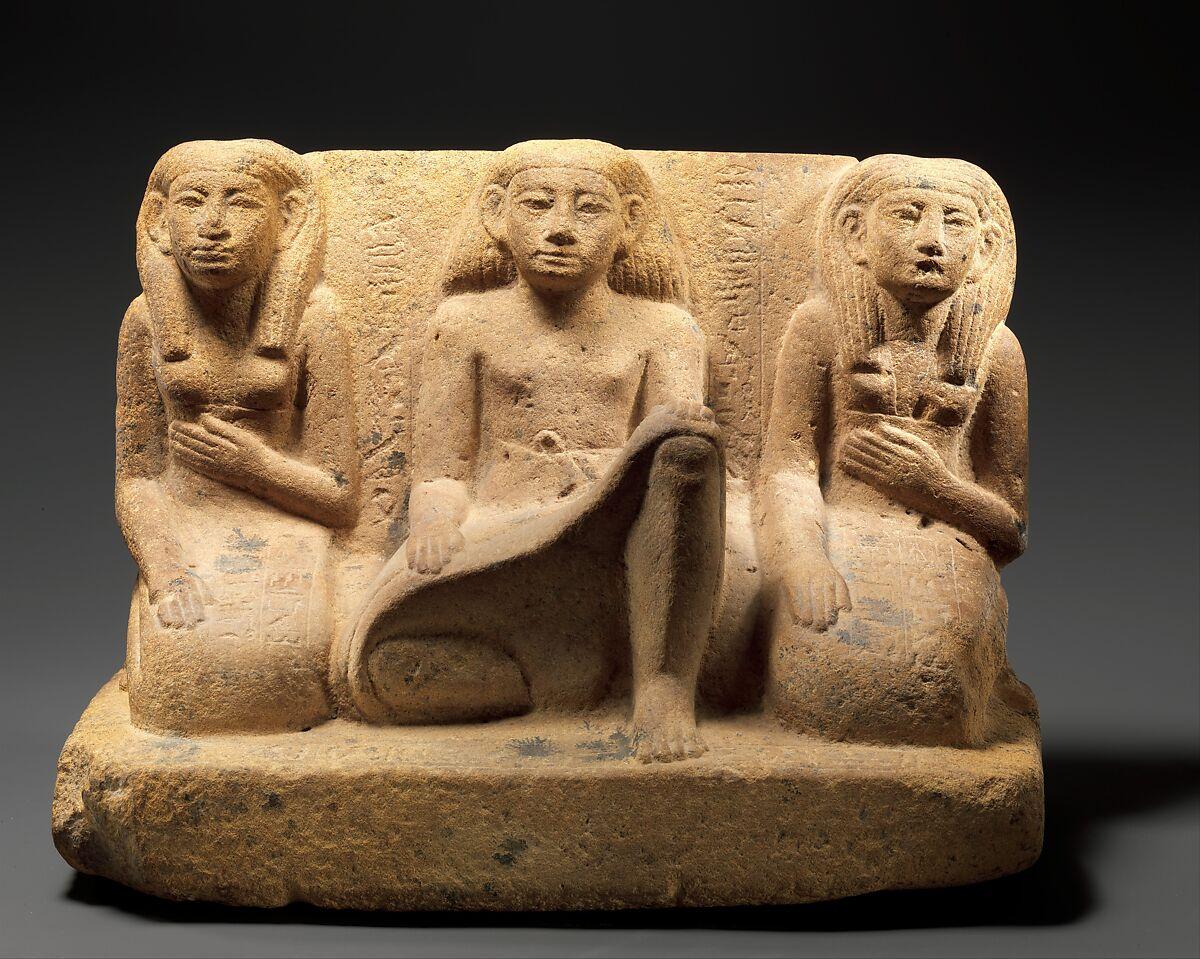
Delving into the enigmatic concept of the afterlife, the ancient Egyptian Aaru, or the Field of Reeds, stands out as a fabled paradise—a mirror to earthly pleasures and familial bonds that extends into eternity. This article explores the commonalities curated from ages of Egyptian religious evolution, offering insights into this eternal Utopia.
Loved Ones in Aaru
Reunions in the afterlife hold deep spiritual significance, and ancient Egyptian texts reveal a passionate desire to be with loved ones again. Through incantations and spells, Egyptians sought to assure their place among friends and family, beyond the mortal realm, in the lush fields of Aaru.
Life in The Afterlife
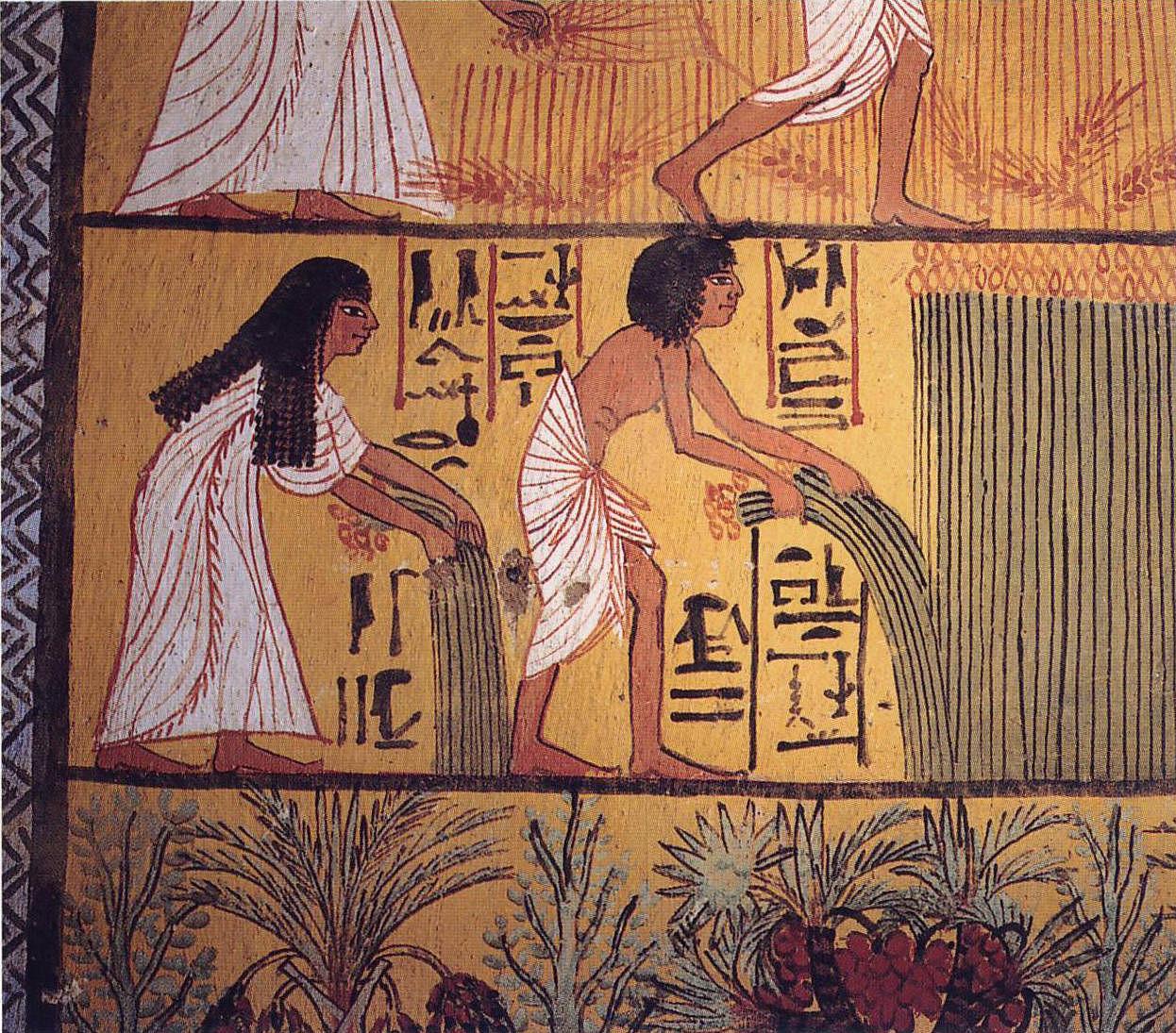
Named for its verdant environment, Aaru is described in ancient texts as a network of islands and oases, surrounded by rivers brimming with reeds. It's a reflection of ancient Egypt itself, where deities commune with humans, crops abound, and sustenance is yours for the taking—with a twist!
Pond & Garden – Tomb of Nebamun
The Solution to Eternal Toil: Magical figures called Ushabti are the ancient solution to avoid perpetual labor in paradise. These figurines would animate to fulfill the deceased's work, allowing them eternal respite.
Ushabti of Amunemhat
These limestone figures represent idle hands made diligent by magic, ensuring a balance of leisure and labor in the afterlife, an ingenious reflection of ancient Egyptian spirituality and practicality.
Papyrus of Ani
In the afterlife, nourishment is provided through funerary spells crafted to invoke divine sustenance. Spell 148 in the Papyrus of Ani exemplifies a plea to the nether cattle, merging ritual and sustenance.
The Journey to Aaru

Navigating the path to Aaru was fraught with trials. It required knowledge of sacred spells, proper tomb preparation, and the guidance of the Coffin Texts or the Book of the Dead. This was not a quest for the faint-hearted but a calculated venture towards peace and immortality.
Preparations For The Afterlife
- Tomb Preparation: Ensuring a proper resting place that aligns with spiritual guidance.
- Rituals and Offerings: Securing the necessary ceremonies and tributes to appease the gods.
- Guides to Eternity: Understanding the lore of the Coffin Texts and the Book of the Dead to steer through the underworld.
Conclusion
Through the lens of Aaru, the ancient Egyptians expressed their zest for life—a longing for a timelessness amidst beloved landscapes and companions. This eternal pursuit of joy and contentment reflects the human spirit's deepest wishes for continuity beyond the physical realm.
Embracing The Legacy of Aaru
As modern explorers of ancient cultures, we can take inspiration from Egypt's historic vision of paradise. When planning travel to destinations steeped in such rich mythology, consider experiencing a land where history converges with leisure, much like the Field of Reeds itself. Although specific hotels in the vicinity of ancient sites may not offer eternal fields of lush vegetation, they can serve as sanctuaries for rest and reflection on our timeless human journey.
Hurghada
- Caves Beach Resort Hurghada
- Titanic Royal
- Sunrise Crystal Bay
- Steigenberger Makadi (Adults Only)
- Coral Beach Rotana Resort - Hurghada
- Premier Le Reve Hotel & Spa (Adults Only)
- Sunrise Aqua Joy Resort Hurghada
- Minamark Beach Resort
- Aladdin Beach Resort
- Hotel Roma Hurghada
- Captain'S Inn El Gouna
- Labranda Royal Makadi Hotel Hurghada
- Luxor Hotel Hurghada
- Amwaj Blue Beach Resort & Spa Abu Soma
- Lemon And Soul Makadi Bay
Cairo
- Novotel Cairo Airport
- Tulip Hotel Cairo
- King Hotel Cairo
- Moon Light Hotel Cairo
- Elite Pyramids Boutique Hotel
- Pyramids Park Resort Cairo
- St Regis Almasa Hotel Cairo
Sharm el-Sheikh
- Xperience Kiroseiz Parkland
- Jaz Sharm Dreams
- Royal Grand Sharm
- Sol Y Mar Naama Bay
- Xperience Sea Breeze Resort Sharm El Sheikh
- Charmillion Gardens Aquapark
- Regency Plaza Hotel Sharm El Sheikh
- Sharks Bay Umbi Diving Village
- Sharm Inn Amarein
- Hotels In Sharm El Sheikh