
The Pyramid Texts - Cannibal Hymn
The Cannibal Hymn in the Pyramid Texts of Unas
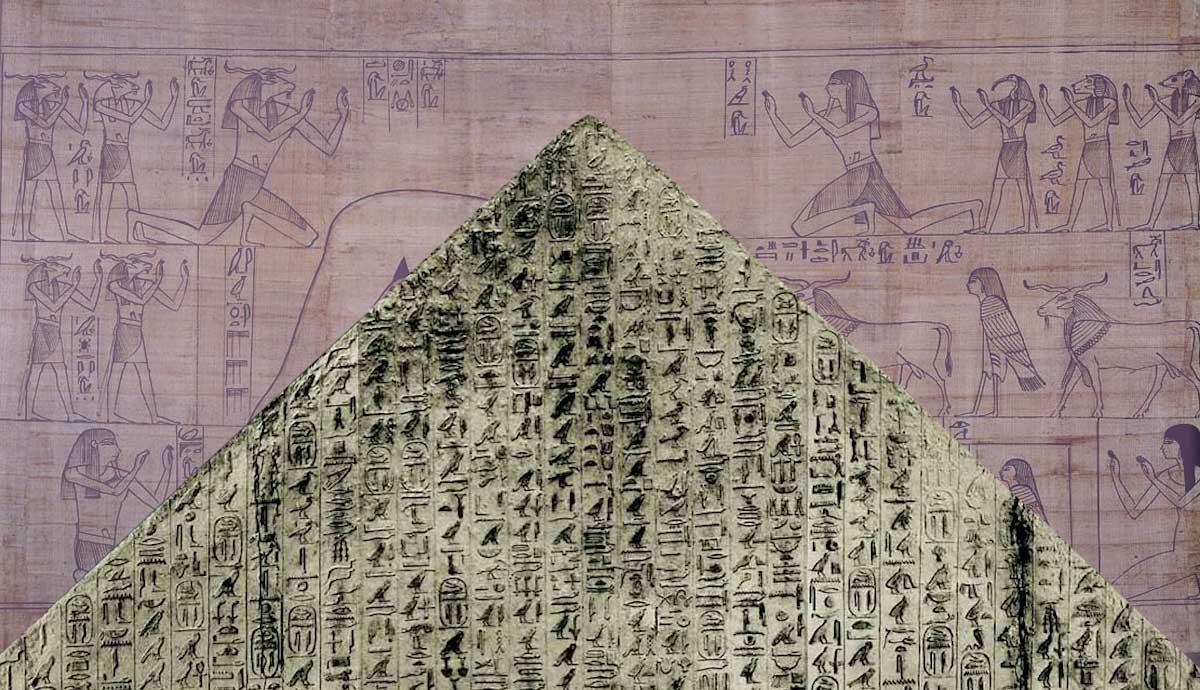
The Pyramid Texts represent one of the oldest religious texts in the world, inscribed on the walls of the burial chambers of pharaohs. Among these texts, the Cannibal Hymn of Unas stands out for its macabre and mystifying verses. It is found in the pyramid of Unas, the last ruler of the Fifth Dynasty, and its purpose seems to be to aid the king's journey in the afterlife.
Sharing = Loving!
In the context of the Pyramid Texts, sharing knowledge and insight about these ancient writings equates to an act of love for history and culture. By delving into these texts, we not only preserve them but also connect with the past in meaningful ways.
Interpretation of this Hymn in the Pyramid Texts
The baffling nature of the Cannibal Hymn has led to various interpretations. It features the king ascending to the heavens and partaking in the divine power of the gods, which some suggest symbolizes the king's absolute control over the cosmos and his enemies.
The Pyramid Texts – Cannibal Hymn
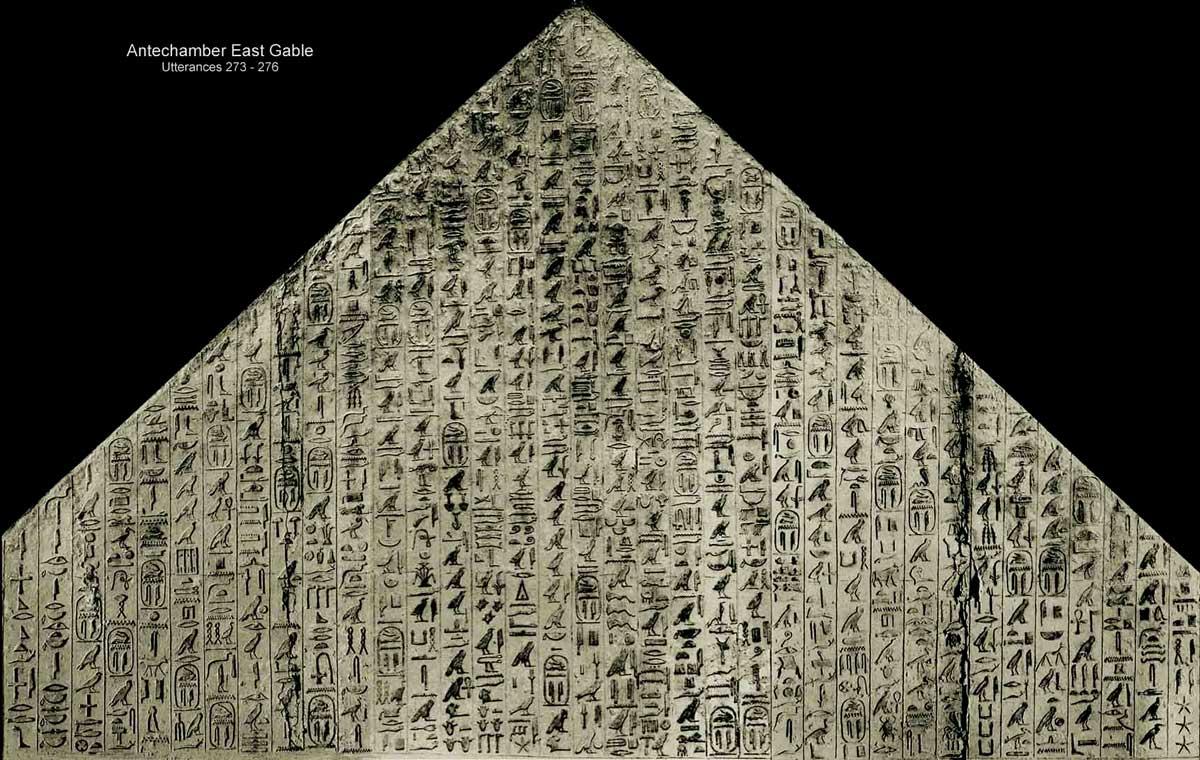
This section of the Pyramid Texts is so named for its graphic depiction of Unas consuming the gods themselves. This ritualistic consumption is theorized to be symbolic of absorbing the gods' powers, ensuring Unas's dominion in the afterlife.
Tale of the Shipwrecked Sailor
Another fascinating tale from ancient Egyptian literature is the Tale of the Shipwrecked Sailor. It presents a narrative of survival, divine encounter, and the promise of a safe return home, echoing themes of courage, resilience, and faith in the divine.
The Wise Servant Said:
"Let thy heart be satisfied, O my lord, for that we have come back to the country; after we have been long on board, and rowed much, the prow has at last touched land... Hear me, my lord; I have no other refuge."
| Cannibal Hymn | Tale of the Shipwrecked Sailor |
|---|---|
| Symbolizes the pharaoh's power and control in the afterlife | Represents guidance and divine providence |
| Depicts ritual consumption of divine beings | Describes survival and sustenance on a divine isle |
| Highlights the pharaoh's transformation into a divine entity | Focuses on the mortal's interaction with the divine |
The Sailor's Reliance on Divine Favor
The tale details a sailor's reliance on divine favor for his survival and return journey, much like how the Pharaoh relies on divine assimilation, as depicted in the Cannibal Hymn, for his eternal reign.
Travel Wisdom from Ancient Texts
Whether you are exploring ancient texts or planning modern travel, the lessons of preparation, respect for nature, and openness to the journey's outcome apply universally. As travelers seek new experiences, the importance of flexibility and a sense of adventure remains as relevant today as it was for the ancients.
Lessons for Contemporary Journeyers:
- Preparation is key: Know your destination and plan accordingly.
- Respect the forces of nature: Understand the environment you are entering.
- Embrace the unknown: Be open to the experiences that lie ahead.
Whether embarking on a spiritual quest in the footsteps of Pharaohs or seeking serene getaways, drawing inspiration from tales such as the Cannibal Hymn and the Shipwrecked Sailor can enrich our understanding of the world. As travelers seek accommodations that reflect the spirit of their journey, they find solace in the lessons of history that remind us of the timelessness of human curiosity and the quest for discovery.
Hurghada
- Caves Beach Resort Hurghada
- Titanic Royal
- Sunrise Crystal Bay
- Royal Lagoons Resort & Aqua Park Hurghada
- Hotel Seagull Hurghada
- Arabia Azur Resort Hurghada
- Jaz Aquamarine Resort Hurghada
- Titanic Aqua Park Resort Hurghada
- Premier Romance Hotel And Spa
- 4 Seasons Hotel Hurghada
- Sunny Days Mirette Family Aqua Park
Cairo
- Novotel Cairo Airport
- Salma Hotel
- Four Seasons Cairo First Residence
- Glorious Hotel Cairo
- Loaloa Nile Maadi Hotel
- Azar Hotel Cairo Egypt
- Cecilia Hotel Cairo
- Arabian Nights Hotel
- Golden Park Hotel Egypt
- Sakkara Inn Hotel Cairo
- Madina Hostel
- Swiss Inn Nile Hotel Giza
Sharm el-Sheikh
- Xperience Kiroseiz Parkland
- Jaz Sharm Dreams
- Falcon Hills Hotel Sharm
- Sierra Hotel Sharm El Sheikh
- Monte Carlo Hotel Sharm El Sheikh
- Dive Inn Resort
- Meraki Sharm El Sheikh Resort
- Amar Sina Hotel In Sharm El Sheikh
- Helnan Marina Sharm Hotel
- Naama Blue Hotel
- Sharm Dreams Vacation Club
- Sea Beach Aqua Park Resort
- Ghazala Beach Hotel Sharm El Sheikh
- Sharm El Sheikh Hotels