
Egyptian Eye – Eye of Ra, Eye of Horus - Experience Ancient Egypt
Sharing = Loving!
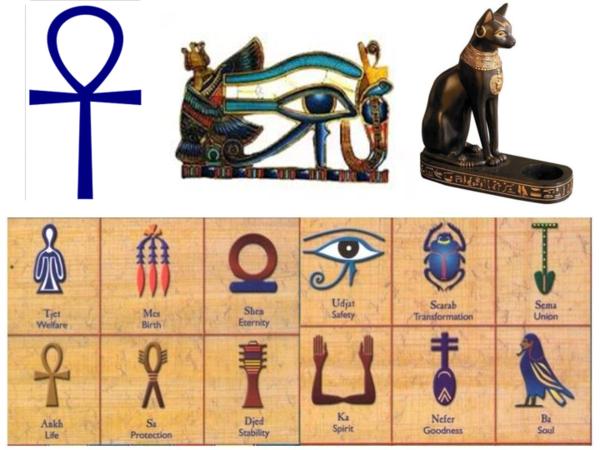
The enigmatic symbols of Ancient Egypt have long fascinated historians, travelers, and mystics alike. The Eye of Ra and the Eye of Horus stand out as particularly significant figures among these ancient mysteries, representing protection, vigilance, and royal power. Sharing the knowledge of these symbols is akin to sharing the love of Egypt's rich cultural heritage.
Egyptian Eye – An Overview
The "Wadjet" Egyptian Eye
The ancient Egyptian eye, commonly known as the Wadjet, is a crucial protective symbol, surrounded by myths and legends. This symbol is intricately linked with the two mightiest sun-gods of Egyptian lore—Ra and Horus—with each god's legend revolving around their defining eyes. These eyes, although similar in their protective nature, exhibit distinctive qualities and traits often manifesting as either solar or lunar deities.
Eye of Ra
The Eye of Ra symbolizes many goddesses, each embodying specific aspects such as protection and aggression. These attributes are often comparable to the fierce protectiveness observed in female animals, especially lionesses. The Eye of Horus, representing the counterpart lunar aspect, offers a rich tapestry of associated myths and functions.
Eye of Horus
The Eye of Horus, the lunar symbol linked with god Thoth, narrates the ancient tale of transformation and healing as it shifts from Ra's domain to Horus's possession. The variation in the symbolic roles of these divine eyes indicates the depth and complexity of Egyptian mythology.
The Dual Icons of Divinity
Eye of Ra
The Eye of Ra, associated with warmth, light, and fire, is imbued with a dual-quality—a source of nurturing warmth and fierce aggression. In the mythologies concerning Ra, his eye often becomes a separate entity, taking on a variety of feminine forms and roles.
Eye of Horus
Conversely, the Eye of Horus is deeply connected to healing and restoration. Myths speak of its dismemberment and subsequent reassembly, symbolizing not only the waxing and waning of the moon but also the resilience and continuity of life.
The Wadjet Egyptian Eye
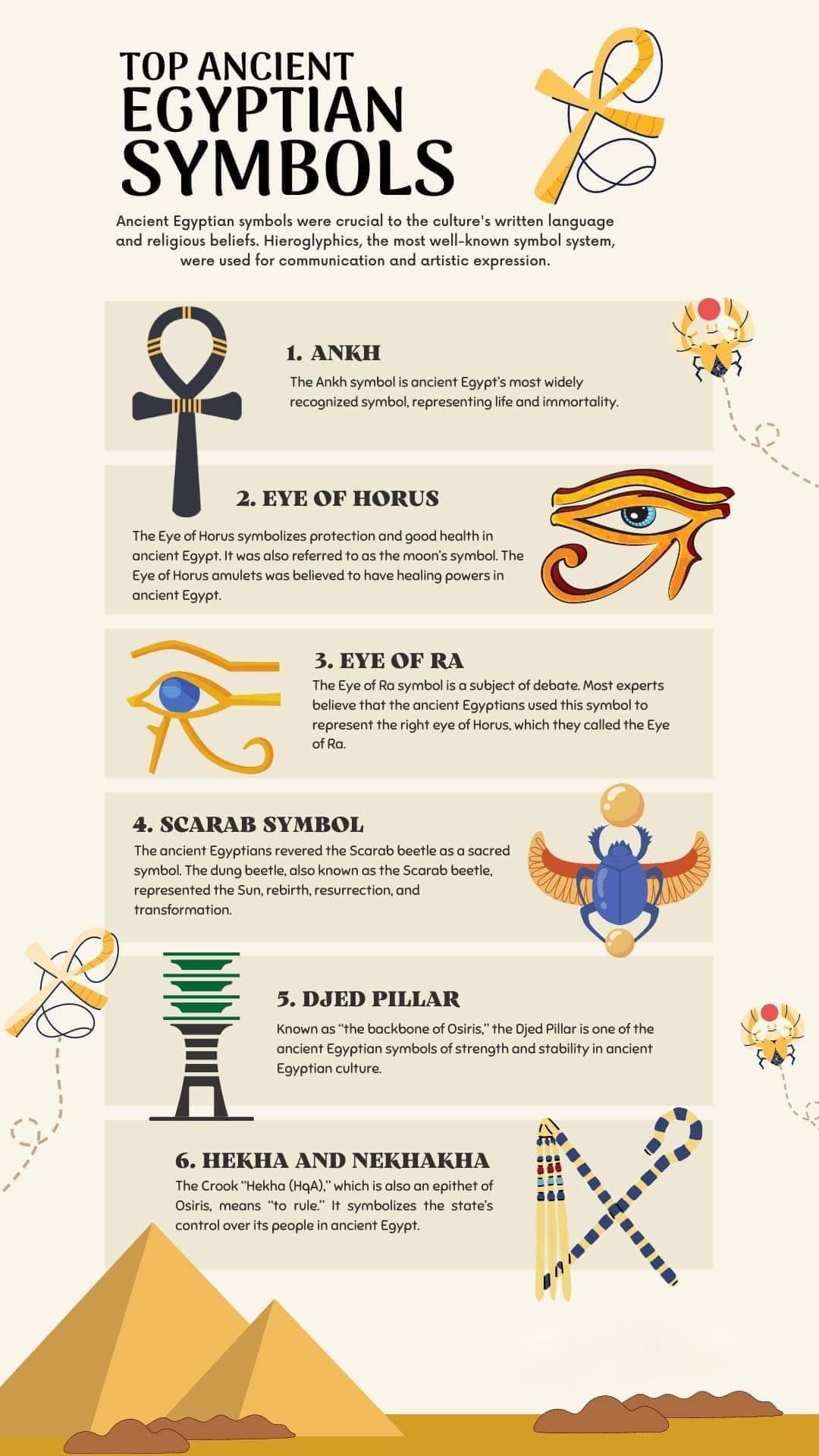
Known as the Wadjet, this lunar eye also represents mathematical precision, as its parts correspond to fractions significant in ancient Egyptian calculations. The symbolism extends to art and fashion, influencing jewelry design and even the makeup styles of the time.
Mythical Tales
Creation Myth and Divine Conflict
The creation myth involving the Eye of Ra highlights the origination of the solar and lunar dichotomy. Additionally, the feud between Horus and Seth that led to the scattering of the Eye of Horus illustrates the eye's personified independence. Through divine conflict, the ancients conveyed narratives portraying cosmic balance and restoration, further conceptualizing the Moon’s role within Egyptian belief systems.
Symbolism in Art and Culture
The influence of the Egyptian eye icons extends beyond spiritual protection, permeating the realms of art, architecture, and adornment. From temple carvings to intricate goldsmith work, the Eye of Ra and Horus have been immortalized in the vast treasures of Egypt’s yesteryear. Symbolic of watching and knowing, these eyes served as ever-present guardians over the land of the Nile and its inhabitants.