
Ancient Egypt, Experience The History And Magic
The Wonders of Ancient Egypt
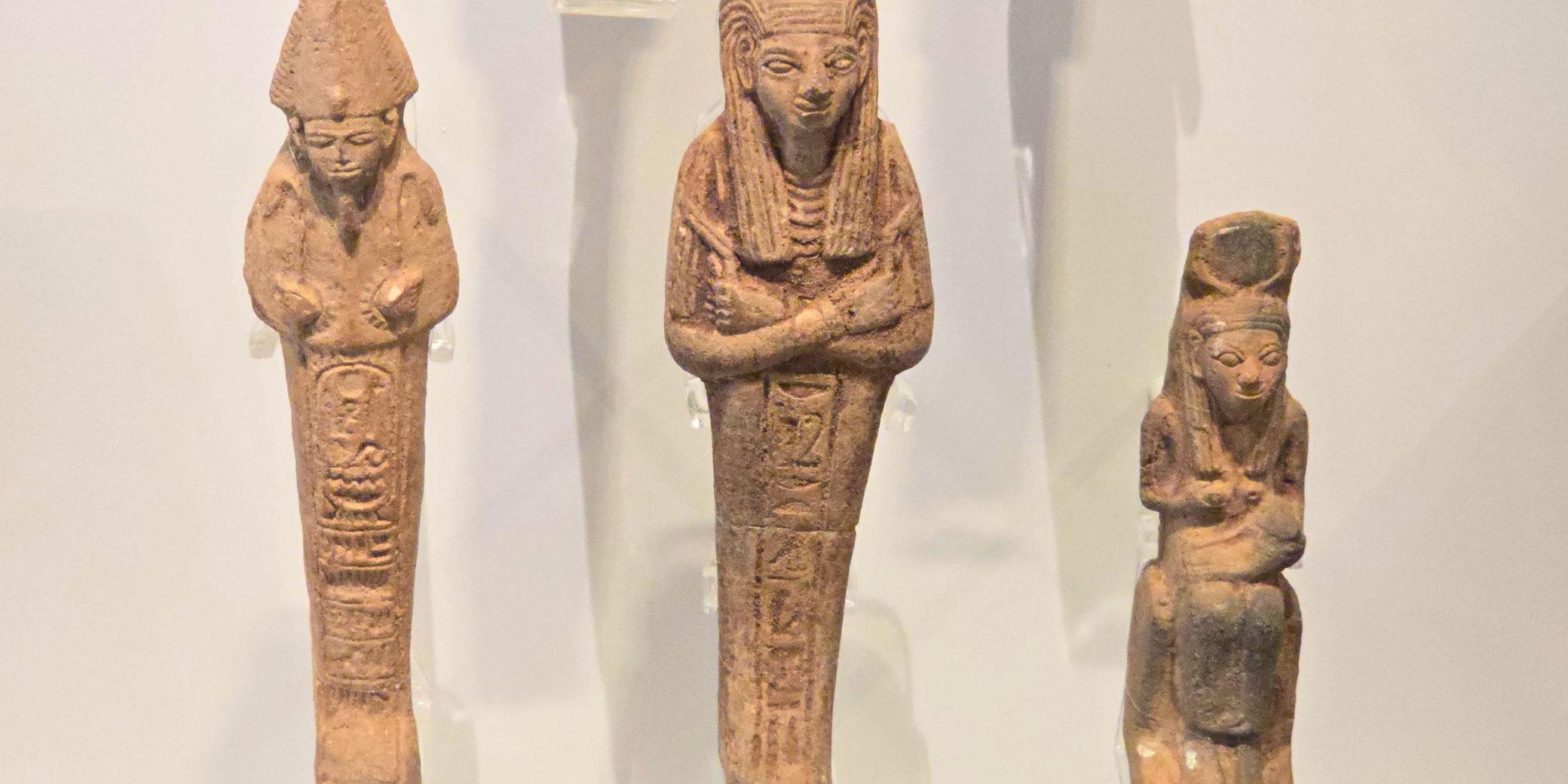
Ancient Egypt's civilization fascinates the modern world with its grand pyramids, enigmatic hieroglyphs, and legendary figures. However, beyond these marvels lies a captivating concept that permeated their culture – the afterlife. Central to their beliefs is the paradise called Aaru or the Field of Reeds. Let's delve into the common themes found in ancient descriptions of this eternal utopia.
Life in The Afterlife
Imagine a paradise where lush vegetation abounds, fields of reeds flourish on tranquil islands, and gods and humans coexist harmoniously. This is the ancient Egyptian vision for Aaru, a glorified version of Egypt itself where agriculture thrives and joy is everlasting. But the need for productivity persists even here, cleverly overcome by the use of magical Ushabti figurines.
Lush Landscapes and Labor
Not unlike the fertile banks of the Nile, Aaru was conceived as a land of abundance, where sustenance and work went hand in hand. Yet, the idyllic existence also demanded a continuation of earthly duties, a notion deftly resolved through enchanting Ushabti. These statuettes would spring to life to toil in place of the deceased, ensuring perpetual leisure.
Sustenance Spells
The deceased's nourishment was a key concern, addressed through spells that would secure their well-being. Among these, Spell 148 from the Papyrus of Ani figures prominently, summoning cattle to provide for the deceased's sustenance in Aaru's eternal pastures.
Loved Ones in Aaru
The prospect of reuniting with loved ones in the afterlife was of paramount importance, so much so that ancient Egyptians employed spells to almost bargain with the gods for this privilege. These invocations were assurances that offerings and prayers would continue, provided the desired reunions were granted.
The Passage To Paradise
The journey to Aaru was as much about knowledge as it was about virtue. Navigating to this paradise required familiarity with sacred texts and spells, with the Coffin Texts and the Book of the Dead serving as essential guides to traversing the underworld and emerging into eternal bliss.
Preparation for Eternity
Preparation for the afterlife was a vital aspect of ancient Egyptian customs. Beyond mere death rituals, this entailed securing one's resting place with the necessary spells and offerings to ensure a seamless transition to the world beyond.
Embracing Eternity
Ancient Egyptians' preoccupation with the afterlife is often misconstrued as an obsession with death. In truth, it was their love for life and their kin that spurred such elaborate constructs of the hereafter, hoping in essence for an everlasting continuity of life at its best.
Traveling to Ancient Egyptian Sites Today

Today's travelers seeking a taste of ancient Egyptian magic have a plethora of sites to choose from. Exploring these wonders not only enlightens one about the distant past but also inspires awe for the civilization that holds a significant place in human history.
Top Ancient Egyptian Landmarks
- The Pyramids of Giza and the Sphinx
- The Luxor Temple and the Karnak Temple Complex
- Valley of the Kings and Queens
- The Temples of Abu Simbel
- The Egyptian Museum in Cairo
Exploring the Nile Valley
Whether you're gliding down the Nile in a luxury cruise or meandering through the vibrant streets of Cairo, the opportunities to immerse in the grandeur of ancient Egypt are endless. Accommodations ranging from boutique hotels to lavish resorts can be found close to significant historical sites ensuring comfort during your explorative journey.
A Journey Through Time
Visiting the timeless landmarks of ancient Egypt is more than just a trip; it is a pilgrimage through history. Luxuriating in modern amenities while experiencing the profound legacy of an extraordinary civilization blends the past with the present in a truly magical way.
Embarking on this journey through ancient Egypt can be a transformative experience, where the allure of the past meets the comforts of the present. When planning your trip, consider staying near historical sites, which often boast accommodations designed to give you a sense of the land's majestic past. Whether you are drawn to the realm of gods and pharaohs or simply seek to discover the roots of one of the world's oldest civilizations, Egypt invites you to witness its history and magic firsthand.
Hurghada
- Caves Beach Resort Hurghada
- Labranda Royal Makadi
- Titanic Royal Hurghada
- Steigenberger Makadi
- Sunrise Crystal Bay
- Solymar Soma Beach
- Sunrise Aqua Joy Resort
- Pharaoh Azur Beach Resort
- Jungle Aqua Park
- Albatros Beach Club Soma Bay
- Three Corners Sunny Beach
- Cleopatra Luxury Resort Makadi Bay
- Meraki Resort
- Panorama Bungalows Resort El Gouna
- Iberotel Makadi Beach
- Pickalbatros Aqua Blu Resort
- Serry Beach Resort Hurghada
- Arabia Azur Resort
- Kaisol Romance Resort Sahl Hasheesh
- Stella Di Mare Beach Resort & Spa Makadi Bay
- Marlin Inn Azur Resort
- Prima Life Makadi Bay
- Protels Grand Seas Resort
- Arabella Azur Resort
- Steigenberger Resort Ras Soma
- Labranda Club Makadi
- The Grand Resort Hurghada
- Marina Hurghada
- Hilton Hurghada Plaza
- Hawaii Caesar Palace Hotel & Aqua Park
- Pickalbatros Blu Spa Resort
- Gravity Hotel Sahl Hasheesh
- Sentido Casa Del Mar Resort
- The Chedi El Gouna
- Hurghada Continental Hotel
- Regina Hotel Hurghada
- Coral Beach Resort Hurghada
- Sand Beach Hurghada
- The Bay Hotel Hurghada Marina
- Sunny Days Mirette Family Resort
- The Grand Hotel Hurghada
- Long Beach Resort Hurghada
- King Tut Aqua Park Beach Resort
- Magic Beach Hotel Hurghada
- Minamark Beach Resort
- Rixos Premium Magawish
- Hawaii Riviera
- Jaz Makadina
- Pyramisa Sahl Hasheesh
- Steigenberger Al Dau Beach Hotel
- Blend Club Aqua Resort
- Alf Leila Wa Leila
- Aladdin Beach Resort Hurghada
- Cleopatra Luxury Resort Hurghada
- The V Luxury Resort Sahl Hasheesh
- Jaz Makadi Oasis Resort
- Pickalbatros Water Valley Resort - Neverland Hurghada
- Golden Beach
- Titanic Resort Hurghada
- Steigenberger Golf Resort
- Baron Palace Sahl Hasheesh
- Jasmine Palace Hurghada
- Amc Royal Hotel
- Gravity Hotel And Aqua Park Hurghada
- Palm Inn Hurghada
- Empire Hotel Hurgada
- 4 Seasons Hotel Hurghada
- Royal Lagoons Aqua Park Resort & Spa Hurghada
- Tui Magic Life Kalawy
- Sheraton Soma Bay
- Sunrise Holidays Resort Hurghada
- Sunny Days Palma De Mirette
- Green Garden Resort Hurghada
- Ancient Sands El Gouna
- Jaz Makadi Saraya Resort
- Jaz Makadi Star Resort And Spa
- Sharm El Naga Resort And Diving Center
- Luxor Hotel Hurghada
- Breakers Diving & Surfing Lodge Soma Bay
- Ali Pasha Hotel
- Lilly Apartments Hurghada
- Golden Rose Hotel Hurghada
- Albatros White Beach
- Elaria Hotel Hurgada
- Titanic Palace Resort
- Empire Beach Resort Hurghada
- Amarina Abu Soma Resort Aquapark
- Sphinx Resort Hurghada
- Xanadu Makadi Bay
- The Desert Rose Hurghada
- Hotel Seagull Hurghada
- Jaz Aquamarine Resort Hurghada
- Cooks Club El Gouna
- Premier Le Reve Hotel & Spa (Adults Only)
- Hotel Roma Hurghada
- Captain'S Inn El Gouna
- Lemon And Soul Makadi Bay
- Siva Grand Beach Hotel Hurghada
- Hilton Hurghada Resort
- Marriott Hurghada Beach Resort
- Mercure Hurghada
- Caribbean World Resort
- Palm Beach Resort Hurghada
- New Eagles Aqua Park Resort
- Mirage Bay Resort & Aqua Park
- Grand Palace Hurghada
- Sea Garden Egypt
- Sahl Hasheesh Hotels
- Hurghada Hotels
Cairo
- Novotel Cairo Airport
- Aracan Pyramids Hotel
- Safir Hotel Cairo
- Nile View Jewel Hotel
- Renaissance Cairo Mirage City Hotel
- Pyramids Park Resort
- Grand Nile Tower
- Swiss Inn
- Pearl Hotel Maadi
- Jewel Zamalek Hotel
- Australian Hostel
- Marvel Stone Hotel
- Best View Pyramids Hotel
- Swiss Inn Nile Hotel
- Town View Hotel
- Jewel Glorious Hotel
- Elite Pyramids Boutique Hotel
- St Regis Almasa
- Mamlouk Pyramids Hotel
- Ambiance Cairo Hotel
- Cairo World Trade Center Hotel & Residences
- Hayat Pyramids View Hotel
- Atlas International Hotel
- Cairo Inn
- Triumph Luxury Hotel
- Pyramid Edge Hotel
- Logistic City Stars Hotel
- Egyptian Night Hostel
- Ramses Hilton
- The Guard Hotel Cairo
- Pyramids Valley
- Pharaohs Hotel Cairo
- Cleopatra Hotel Cairo
- Heritage Hostel Cairo
- Stay Inn Hotel Cairo
- Cairo Hub Hostel
- Comfort Pyramids Inn
- Horizon Shahrazad Hotel
- Sahara Pyramids Inn
- Hilton Heliopolis Cairo
- Horus Guest House Pyramids View
- Atlantis Pyramids
- Travelholic Inn New Cairo
- Golden Palace Hotel Cairo
- Great Pyramid Inn
- Santana Hotel Cairo
- Moon Light Hotel Cairo
- Castle Hostel Cairo
- Steigenberger El Tahrir
- New Cairo Heart Hotel
- Cairo House Hotel
- Giza Pyramids Inn
- Prime Residence New Cairo
- Hilton Cairo Zamalek Residences
- Gawharet Al Ahram Hotel
- Indiana Hotel Cairo
- Cairo International Hostel Downtown
- Tahrir Plaza Suites
- Sheraton Cairo Hotel & Casino
- Pyramids Planet Hotel
- Madina Hostel Cairo
- New Palace Hotel
- Rehana Plaza Hotel
- Valencia Hotel Cairo
- Conrad Cairo Hotel
- Four Seasons Nile Plaza
- Al Masa Hotel Cairo
- Azar Hotel Cairo Egypt
- Jasmine Pyramids Hotel
- Cecilia Hotel Cairo
- Hotel Arabian Nights Le Caire
- Zayed Hotel
- Golden Park Hotel Cairo
- Golden Hotel Cairo
- Turquoise Pyramids View Hotel
- Barcelo Cairo Pyramid Hotel
- Steigenberger Pyramids
- Radisson Blu Cairo Heliopolis
- Ultra Loaloa Nile Maadi Hotel Cairo Egypt
- Sakkara Inn Hotel
- Regency Pyramids Hotel
- Happy Days Pyramids Inn Cairo Egypt
- Tolip Golden Plaza Hotel
- Queen Pyramids View Inn
- Cheers Hostel Cairo
- Berlin Hotel Cairo
- Amin Hotel Cairo
- The St. Regis Cairo
- Cairo Capital Plaza Hotel
- Tut Pyramids View Hotel
- Grand Palace Hotel Cairo
- Tolip Family Park Hotel
- Panorama View Pyramids
- Crown Hotel Cairo
- Concorde El Salam Hotel Cairo
- Fairmont Nile City
- Salma Hotel Cairo
- Beirut Hotel
- Magical Pyramids
- Panorama Ramsis Hotel
- Pyramids Overlook Inn
- Kempinski Nile Hotel Cairo
- Jw Marriott Hotel Cairo
- Four Seasons Cairo First Residence
- Pyramids Top Inn
- Sonesta Cairo Hotel
- Tulip Hotel Cairo
- King Hotel Cairo
- Columbia Hotel Cairo
- Pyramid Front Hotel
- Magic Golden Pyramids Inn
- Tolip Gardens Hotel
- Nakhil Residence
- Le Passage
- Cairo Marriott Hotel & Omar Khayyam Casino
- The Nile Ritz Carlton
- Golden Tulip Flamenco
- Monte Cairo
- Cairo Paradise Hotel
- The Lotus Guest House - 3 Pyramids View
- Paradise Boutique Hotel
- Intercontinental Cairo Semiramis
- Jewel Zamalek Hotel
- Up Town Hotel Cairo
- Helnan Landmark Hotel
- Pyramids Gardens
- Life Pyramids Inn
- Gamaleya Boutique Hotel
- Guardian Guest House Giza
- Oasis Pyramids Hotel Cairo
Sharm el-Sheikh
- Xperience Kiroseiz Parkland
- Sharm Dreams Resort
- Charmillion Club Resort
- Rixos Sharm El Sheikh
- Coral Sea Holiday Resort
- Meraki Resort Sharm El Sheikh
- Solymar Naama Bay Hotel
- Royal Savoy Sharm El Sheikh
- Jaz Belvedere
- Naama Bay
- Sunrise Remal Beach
- Xperience Kiroseiz Premier
- Sierra Sharm El Sheikh
- Sharming Inn
- Amphoras Beach
- Regency Plaza Aqua Park
- Barceló Tiran Sharm
- Rixos Premium Seagate Sharm El Sheikh
- Cataract Layalina Resort
- The Savoy Sharm El Sheikh
- Aqua Blu Sharm El Sheikh
- Charmillion Gardens Aqua Park
- Four Seasons Resort Sharm El Sheikh
- Hilton Fayrouz
- Waves Naama Bay Hotel
- Magic World Sharm El Sheikh
- Dive Inn Resort
- Pickalbatros Royal Moderna Resort
- Parrotel Lagoon Resort Sharm El Sheikh
- Sharm Dreams Vacation Club - Aqua Park
- Jolie Ville Golf & Resort
- Lido Sharm Hotel
- Dreams Vacation Resort Sharm El Sheikh
- Oonas Dive Club
- Falcon Naama Star Hotel
- Maritim Jolie Ville Resort & Casino
- Concorde El Salam Sharm El Sheikh Sport Hotel
- Xperience Sea Breeze
- Island View Resort Sharm El Sheikh
- Marina Sharm Hotel
- Pickalbatros Royal Grand Sharm
- Charmillion Sea Life Resort
- Hilton Sharks Bay Resort
- Sultan Gardens
- Grand Oasis Sharm
- Rehana Resort Sharm El Sheikh
- Turquoise Beach Hotel Sharm
- Aurora Oriental Resort Sharm El Sheikh
- Panorama Naama Heights
- Hotel Sharm Inn Amarein
- Tamra Beach
- Monte Carlo Sharm El Sheikh Resort
- Amphoras Blu
- Aqua Hotel Sharm El Sheikh
- Nubian Island Hotel Sharm El Sheikh
- El Khan Sharm Hotel
- Naama Blue Hotel
- Sunrise Remal Resort Sharm El Sheikh
- Falcon Hills Sharm
- Parrotel Beach Resort
- Continental Plaza Beach Resort Sharm El Sheikh
- Jaz Sharks Bay
- Jaz Mirabel Egypt
- Sharm Reef Resort
- Albatros Sharm El Sheikh
- Eden Rock
- Viva Sharm Hotel
- Coral Sea Waterworld
- Hotel Novotel Sharm El-Sheikh
- Stella Di Mare
- Amar Sina Boutique Egyptian Village
- Domina Coral Bay Sharm El Sheikh
- Queen Sharm Resort
- Sentido Reef Oasis Senses Resort Sharm El Sheikh
- Cleopatra Luxury Resort Sharm - Adults Only 16 Years Plus
- Tolip Inn Sharm El Sheikh
- Sea Beach Aqua Park Resort
- Ghazala Beach Hotel Sharm El Sheikh
- Cleopatra Luxury Resort
- Sharks Bay Umbi Diving Village
- Jaz Fanara Resort Egypt
- Park Regency Sharm El Sheikh Resort
- Sharm El Sheikh Marriott Resort
- Nubian Village Sharm El Sheikh
- Holiday Inn Sharm El Sheikh
- Reef Oasis Blue Bay
- Gafy Resort
- Delta Sharm Resort
- Charmillion Club Aqua Park
- Hilton Sharm Waterfalls Resort
- Dreams Beach Resort Sharm El Sheikh
Alexandria
- Romance Hotel Alexandria
- Cherry Maryski Hotel
- Radisson Blu Hotel Alexandria
- Hilton Alexandria Corniche
- Golden Jewel Hotel Alexandria
- Helnan Palestine Hotel
- Paradise Inn Beach Resort
- Ithaka Hostel Alexandria
- Royal Crown Hotel Alexandria
- Miramar Boutique Hotel Alexandria
- Eastern Al Montazah Hotel
- Alexander The Great Hotel
- Tolip Hotel Alexandria
- Regency Hotel Alexandria
- Abeer Hotel Alexandria
- Sea Star Hotel Alexandria
- Acropole Hotel Alexandria
- Jewel San Stefano Hotel
- Misr Hotel Alexandria
- Green Plaza Inn
- The Grand Plaza Hotel Smouha
- Four Seasons Alexandria
- Mediterranean Azur Hotel
Ain Sukhna
- Porto South Beach
- Jaz Little Venice
- Coral Sea Beach
- Romance Hotel & Aqua Park
- Tolip Resort El Galala Majestic
- Porto Sokhna
- Stella Di Mare Sea Club Hotel
- Tanoak Hotel
- Stella Di Mare Grand Hotel
- Movenpick Resort El Sokhna Ain Sokhna Egypt
- Cancun Sokhna Resort
El Alamein
- Porto Marina
- Al Alamein Hotel
- Aida Beach Hotel
- Golden Ocean Marina Hotel
- Tolip North Coast Hotel
- Golden Lake Marina Hotel
- Address Marassi Golf Resort
- Golden Palace Marina Hotel
- Crystal Inn By Almasa El Alamein
- Regal Heights Hotel Egypt
- The G Hotel Egypt
- Mirage Hotel Sidi Abd El Rahman
Port Said
- Grand Hotel Port Said
- Palma Hotel Port Said
- Jewel Port Said Hotel
- Marom Port Said Resort
- Resta Port Said Hotel
- Aracan Hotel Port Said
- Port Said Hotel
6th of October City
- Novotel Cairo 6Th Of October
- Swiss Inn Pyramids Golf Resort
- Crowne Plaza West Cairo Arkan
- Villa 14 Suites
- Hilton Pyramids Golf
Mersa Matruh
Dahab
- Penguin Village
- Sea Horse Hotel Dahab
- My Hostel In Dahab
- Iberotel Dahabeya
- Tropitel Dahab Oasis
- Le Meridien Dahab Resort
- Dahab Bay Hotel
- Downtown Hotel Dahab
- Star Of Dahab Hotel
- The Bedouin Moon Hotel
- Ecotel Dahab
- Happy Life Village Dahab
- El Primo Hotel Dahab
- Red C Villas
- Dahab Plaza Hotel
- Red-Sea-Relax
- Daniela Village Dahab
- Gina Motel Dahab
- Tirana Dahab Resort
- Hilton Dahab Resort
- Coral Coast Hotel Dahab
Aswan
- Hapi Hotel Aswan Egypt
- Citymax Hotel Aswan
- Pyramisa Island Hotel Aswan
- Benben By Dhara Hotels
- David Hostel Aswan
- Movenpick Aswan
- Kato Dool Nubian House
- Kendaka Nubian House
- Cleopatra Hotel Aswan
- Citymax Aqua Park Hotel Aswan
- Tolip Hotel Aswan
- Marhaba Palace Hotel Aswan
- Philae Hotel Aswan
- Sofitel Legend Old Cataract Aswan
- Orchida St George Hotel Aswan
- Obelisk Nile Hotel Aswan
- Mango Guest House
Giza
Luxor
- Pyramisa Hotel Luxor
- Iberotel Luxor
- Mercure Luxor Karnak Luxor Egypt
- Sofitel Winter Palace Luxor
- Maritim Jolie Ville Kings Island Luxor
- Djorff Palace
- Embrace Hotel Luxor
- Bob Marley Jamaica Hotel Luxor
- Pyramids Luxor Hotel
- Thebes Hotel Luxor
- Spring Hotel Luxor
- Cleopatra Hotel Luxor
- Nile Carnival Cruise
- Philippe Hotel Luxor
- Aracan Eatabe Luxor Hotel
- Hilton Hotel Luxor
- New Memnon Hotel Luxor
- Lotus Hotel Luxor
- Scorpion House Luxor
- Luxor Guest House
- Nile Castle Luxor
- Susanna Hotel Luxor
- Hotel Al Moudira Luxor
Fayoum
Taba
- Mosaique Beach Resort Taba Heights
- Strand Taba Heights
- The Bayview Taba Heights Resort
- Hotel Tolip Taba
- Movenpick Taba Resort
Ismailia
El Gouna
Coraya Bay
- Steigenberger Coraya Beach
- Jaz Lamaya Resort
- Resta Reef Resort Marsa Alam
- Resta Grand Resort Marsa Alam